
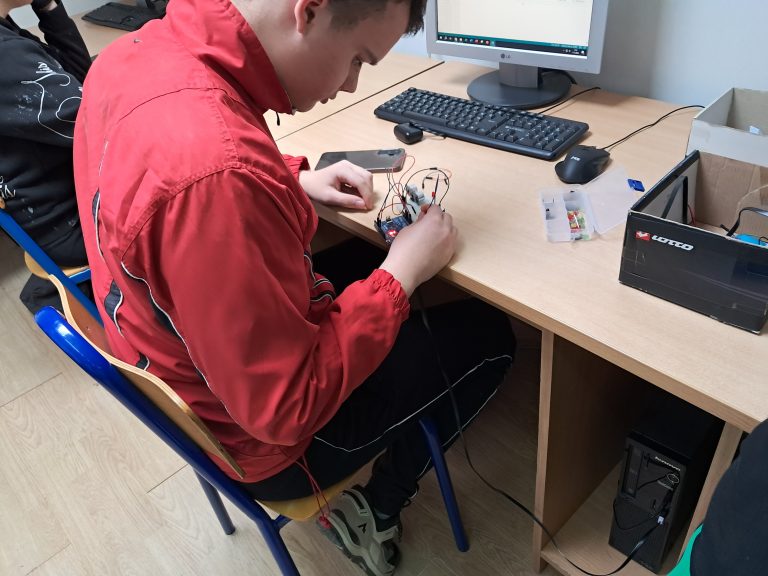
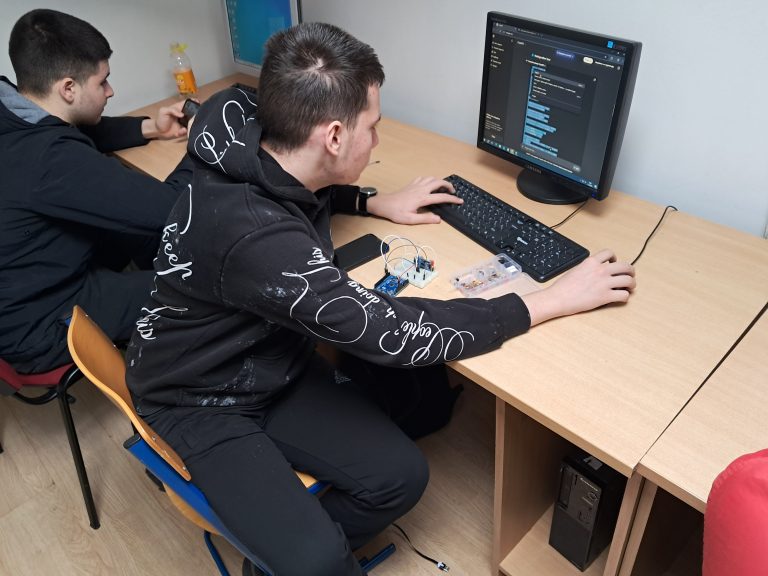
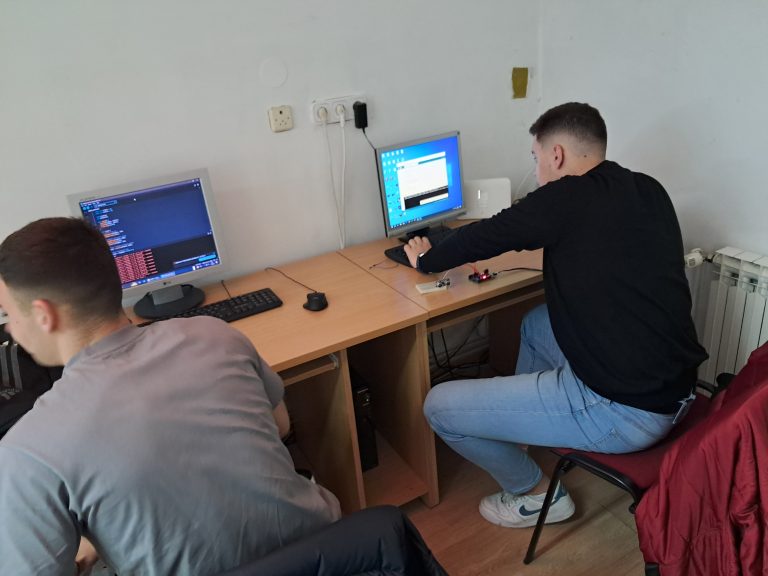
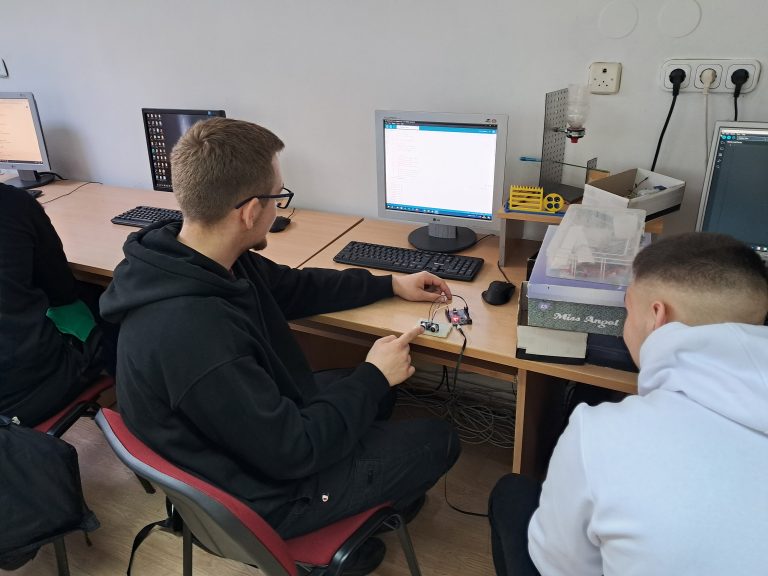
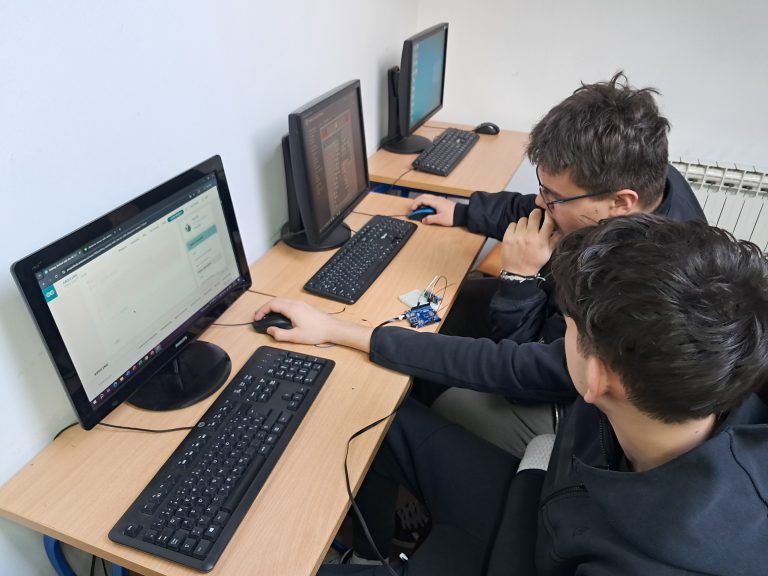
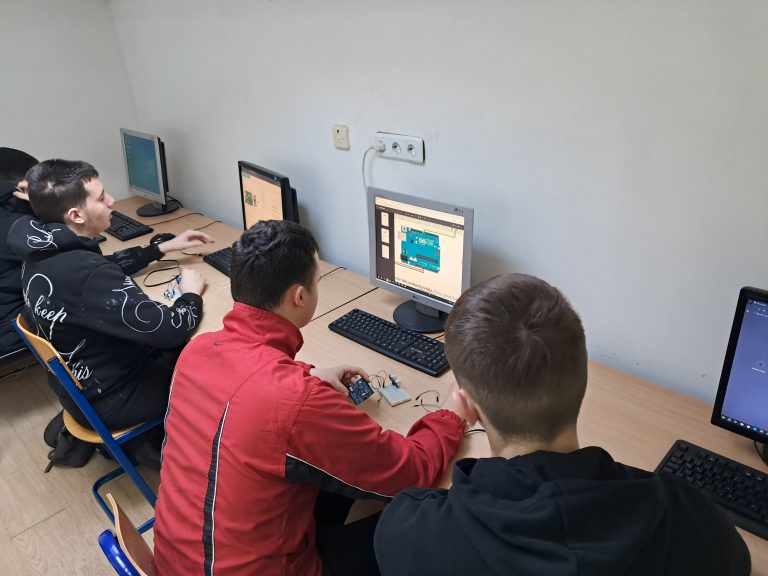
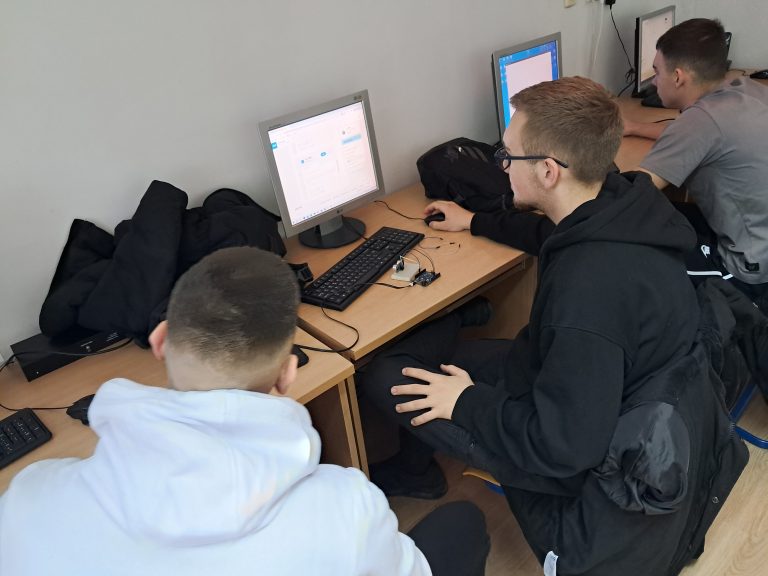
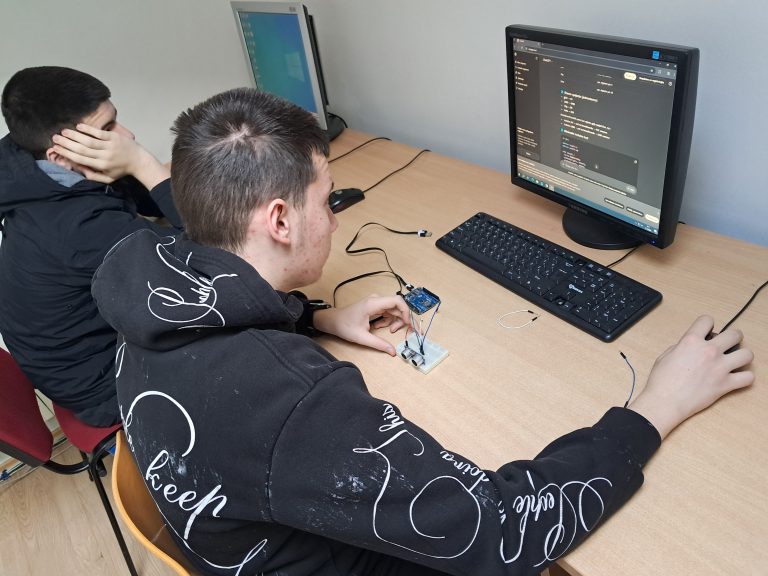
Programming with the Arduino platform is easy and fun. I learned a lot and I want to learn more. Through working on projects, I understood how different components and sensors work. I will definitely continue working with electronics because it interests me even more now.

Teo
3.em
Working with Arduino was very interesting to me because I was able to combine programming and electronics for the first time. I learned a lot of new things through simple projects, and that motivated me to continue learning. Now I am even more interested in technology, and I would like to work on more projects like this.

Dino
3.em
Arduino showed me that electronics and programming can be really fun. Through projects, I learned how sensors and other components work. It was great to see that something I created on my own really works. Because of that, I am even more interested in technology.

Josip
3.em
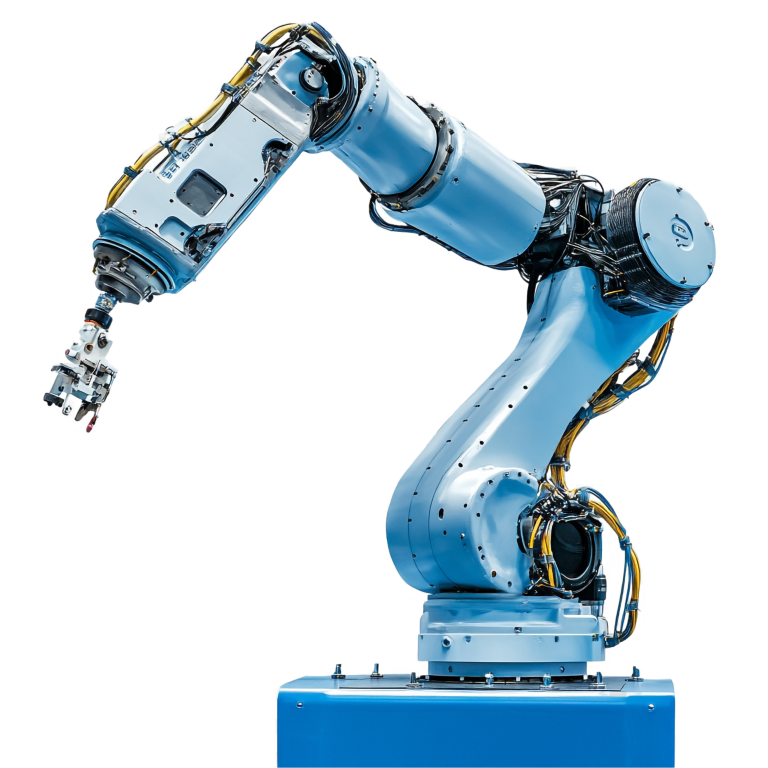

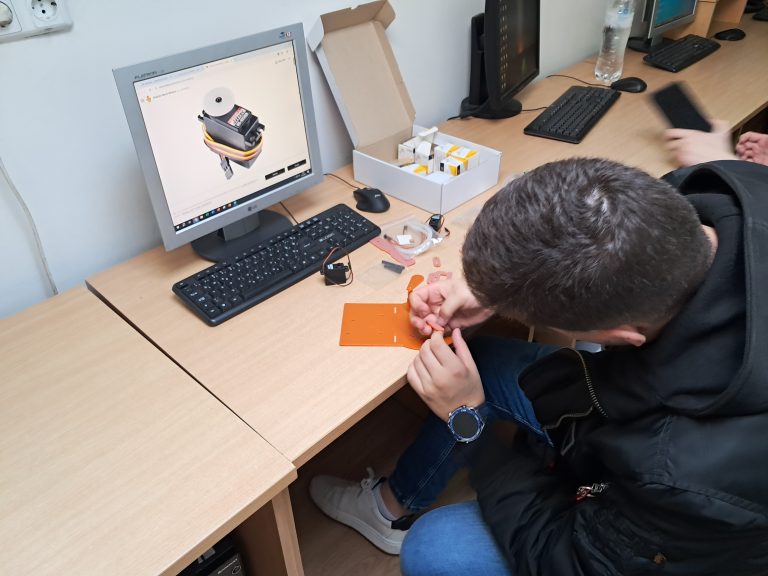
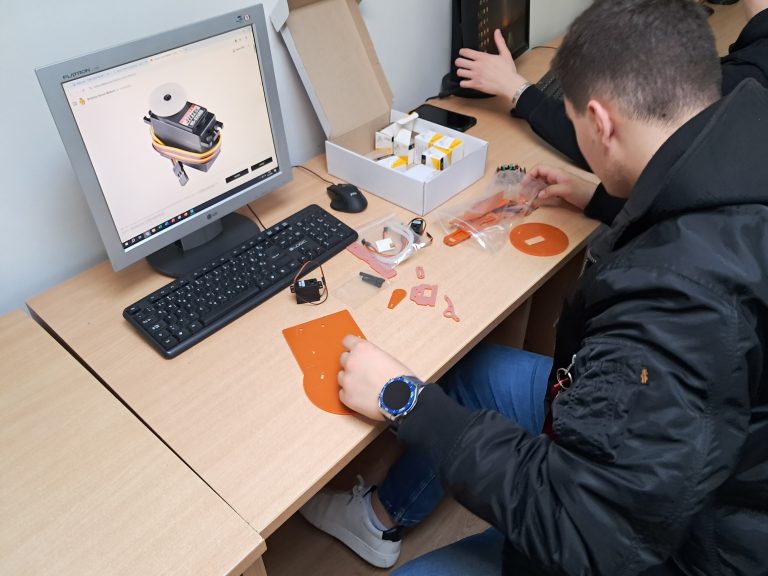
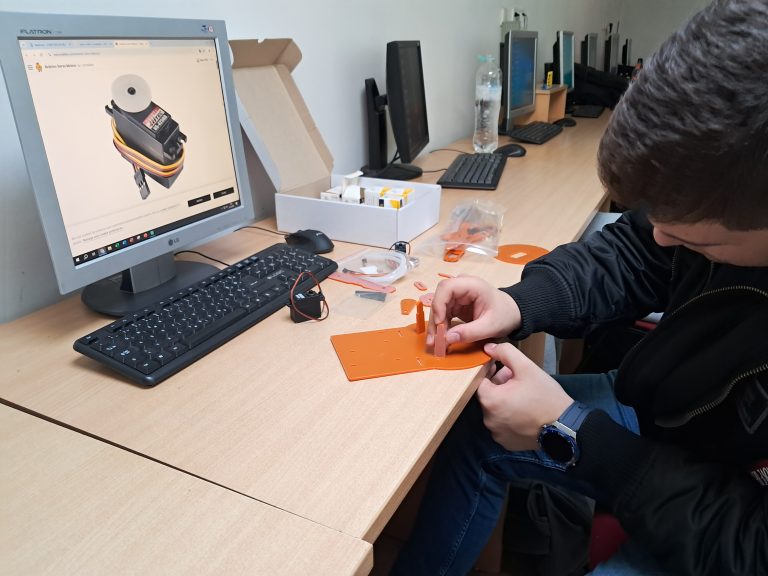
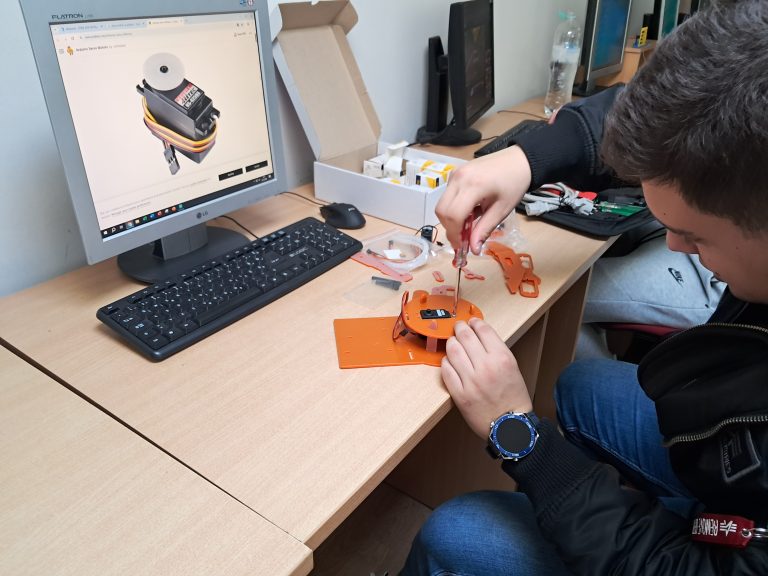
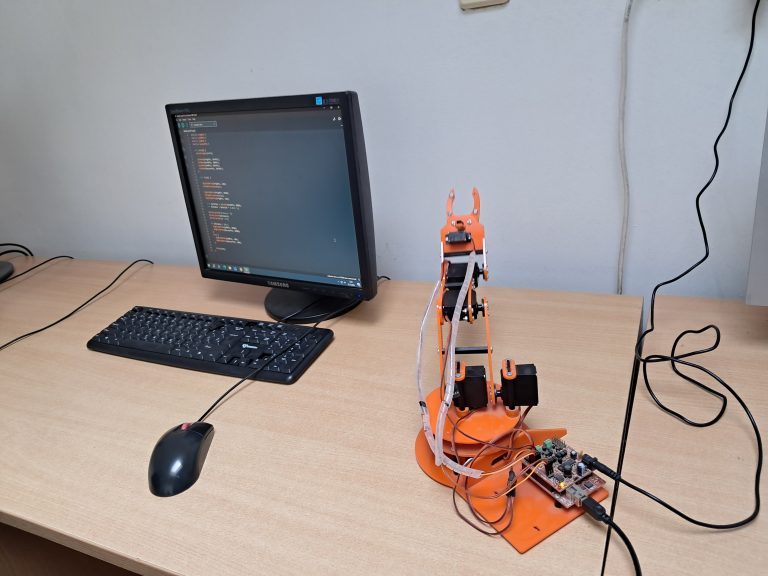
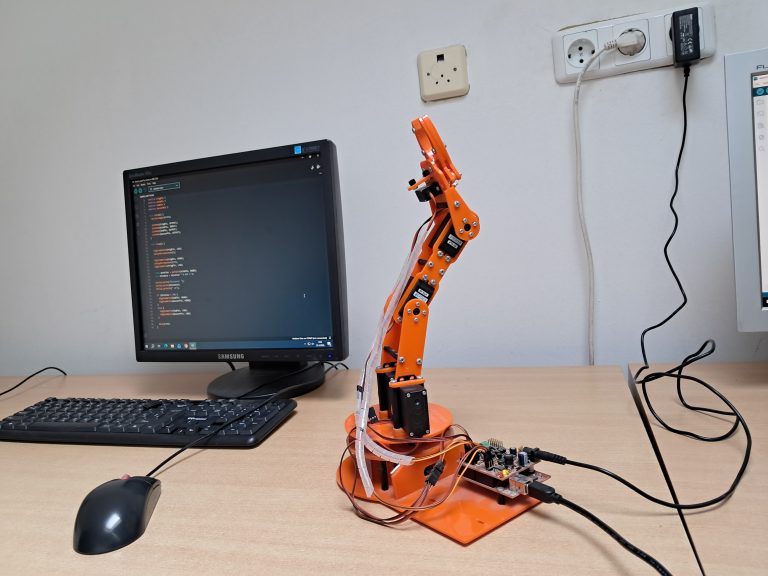
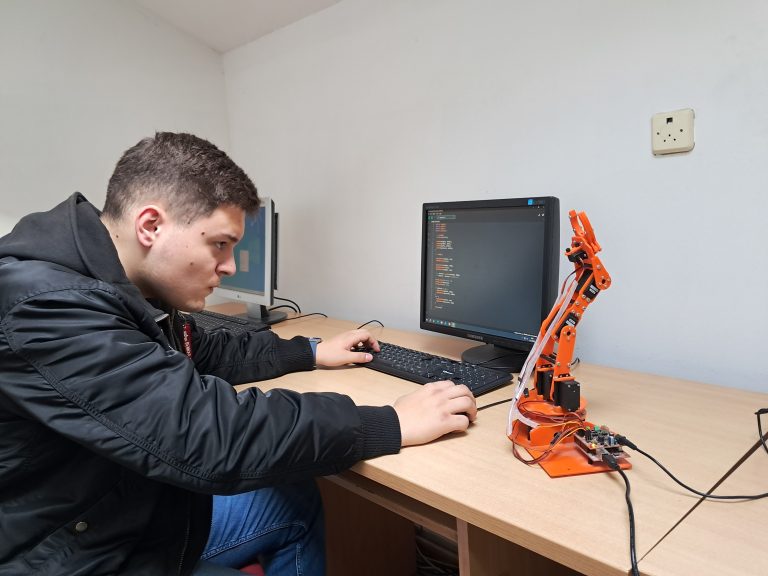
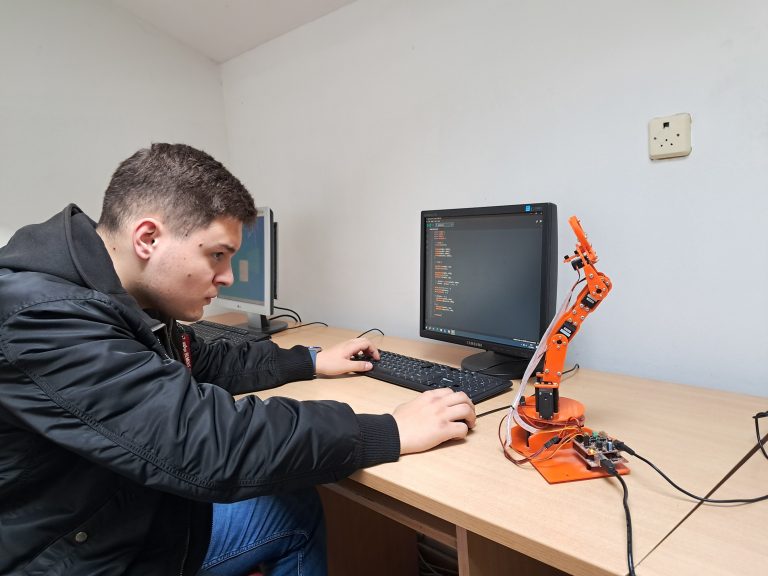
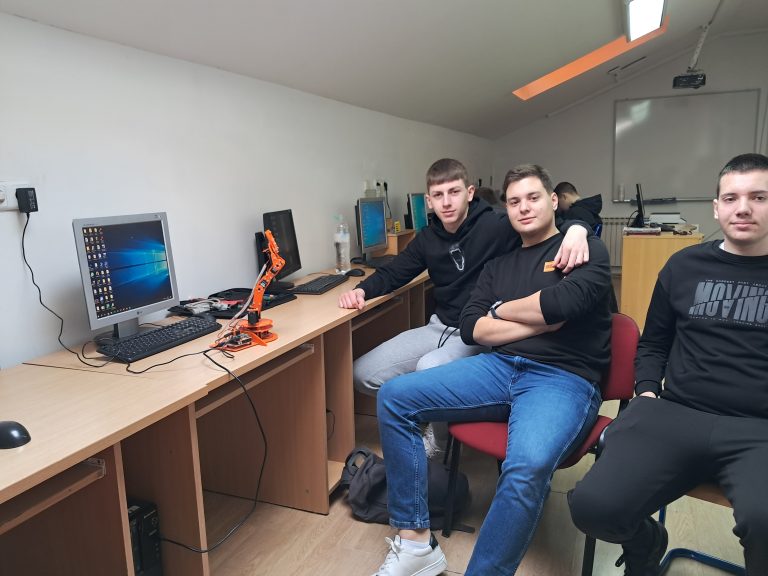
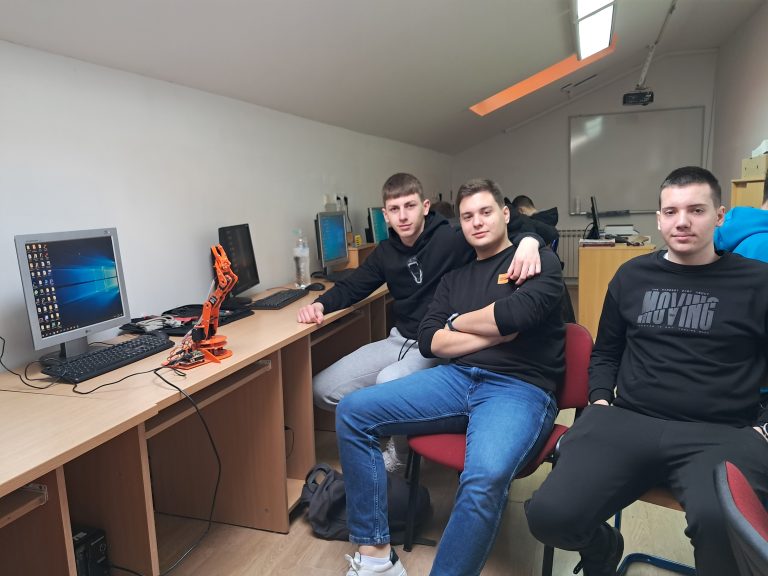

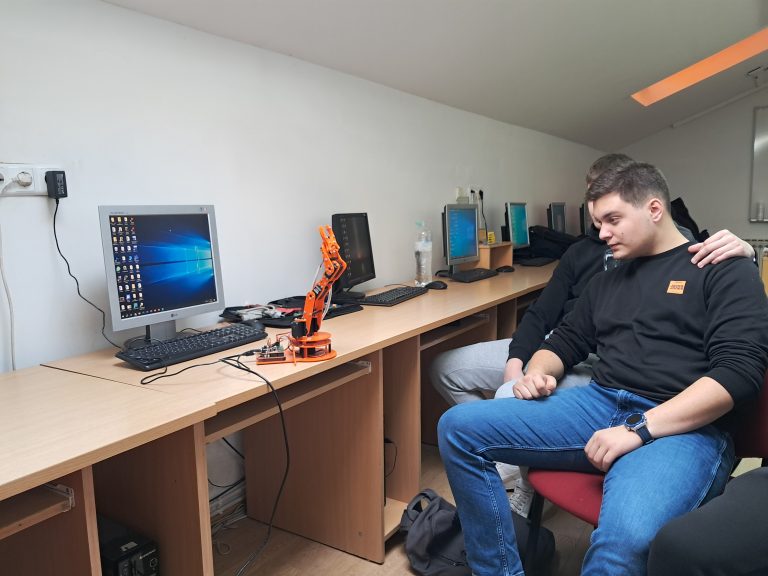
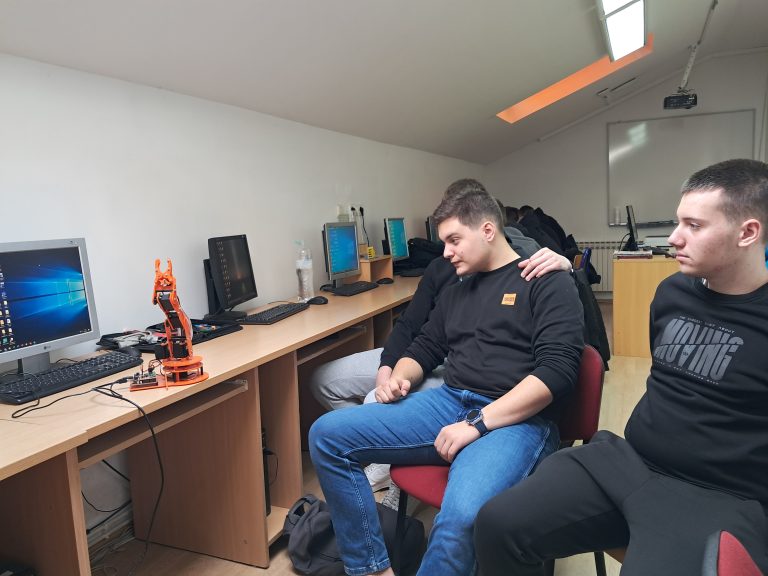
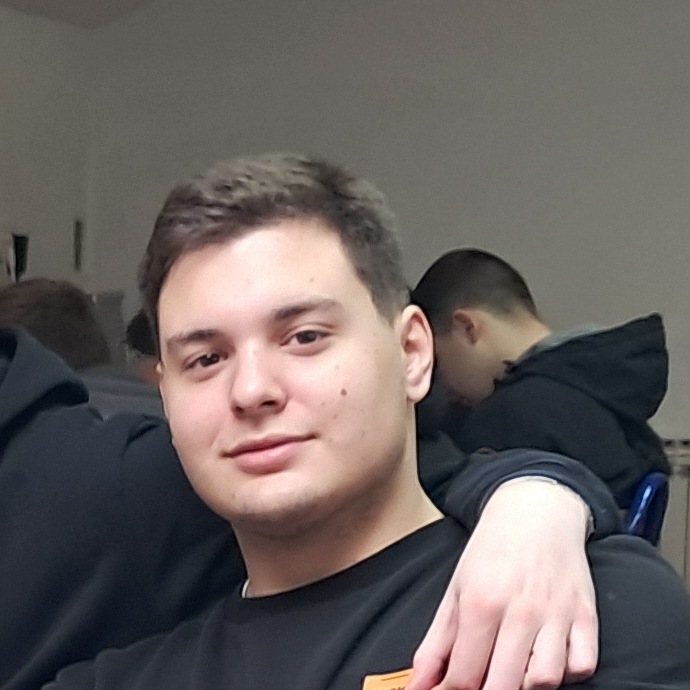
The robotic arm project was one of the most interesting tasks so far. To see how our code brings a real device to life was really motivating. After this project, I am even more sure that I want to continue learning about robotics and technology.
Dorian
3.em
The creation of the robotic arm was a really interesting experience for me. I liked the most connecting Arduino with motors and seeing everything working through the code we wrote.
I learned how to combine programming and mechanics, which was something completely new and interesting.

Noa
3.em
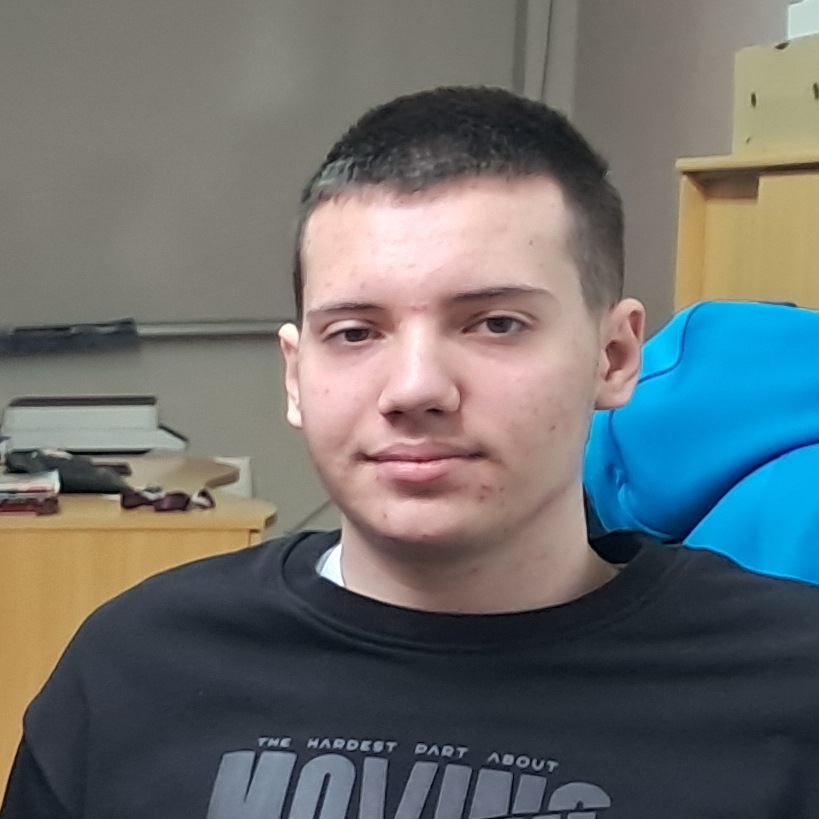
Work on the robotic arm showed me the importance of patience and teamwork. Things did not always work at first, but it was exactly through problem solving that I learned the most. For me, it was especially interesting to control the movements of the arm through the computer.
Teo
3.em

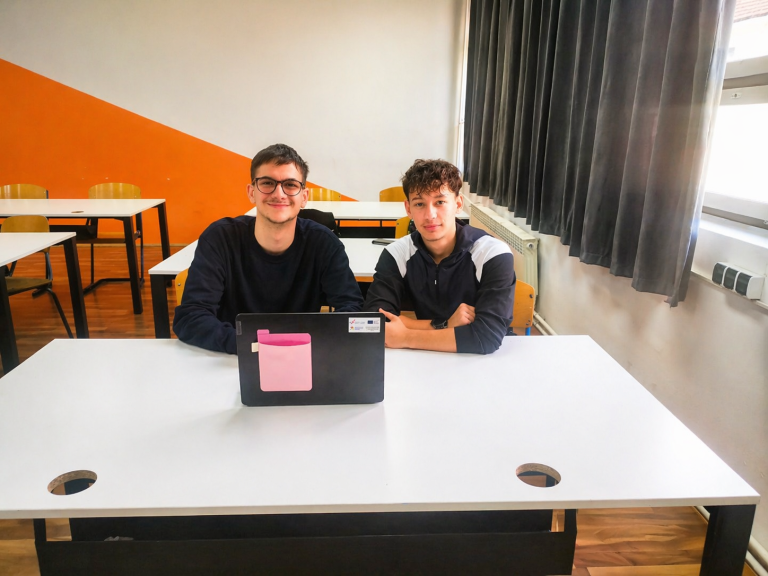
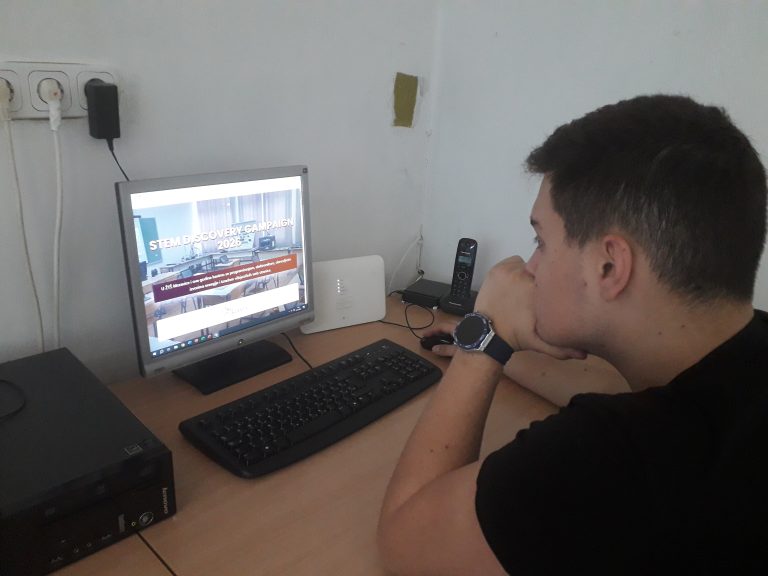
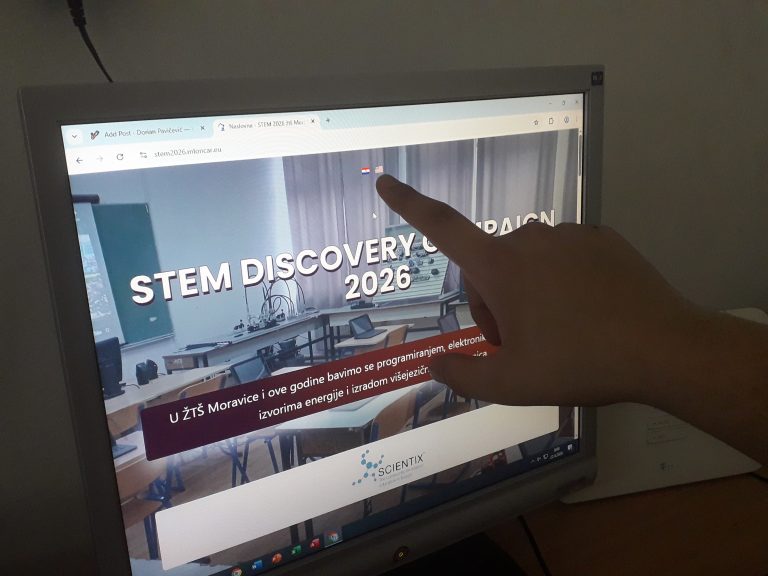
Our English teacher assigned us the task of translating a Croatian text on STEM website into English. We were paired up, and I worked with Dino on this assignment. Although we made several grammatical and structural errors that I wish we had avoided, I still found the task very enjoyable. It was a unique and valuable experience for me, and I would love the opportunity to do it again in the future - this time without any mistakes.
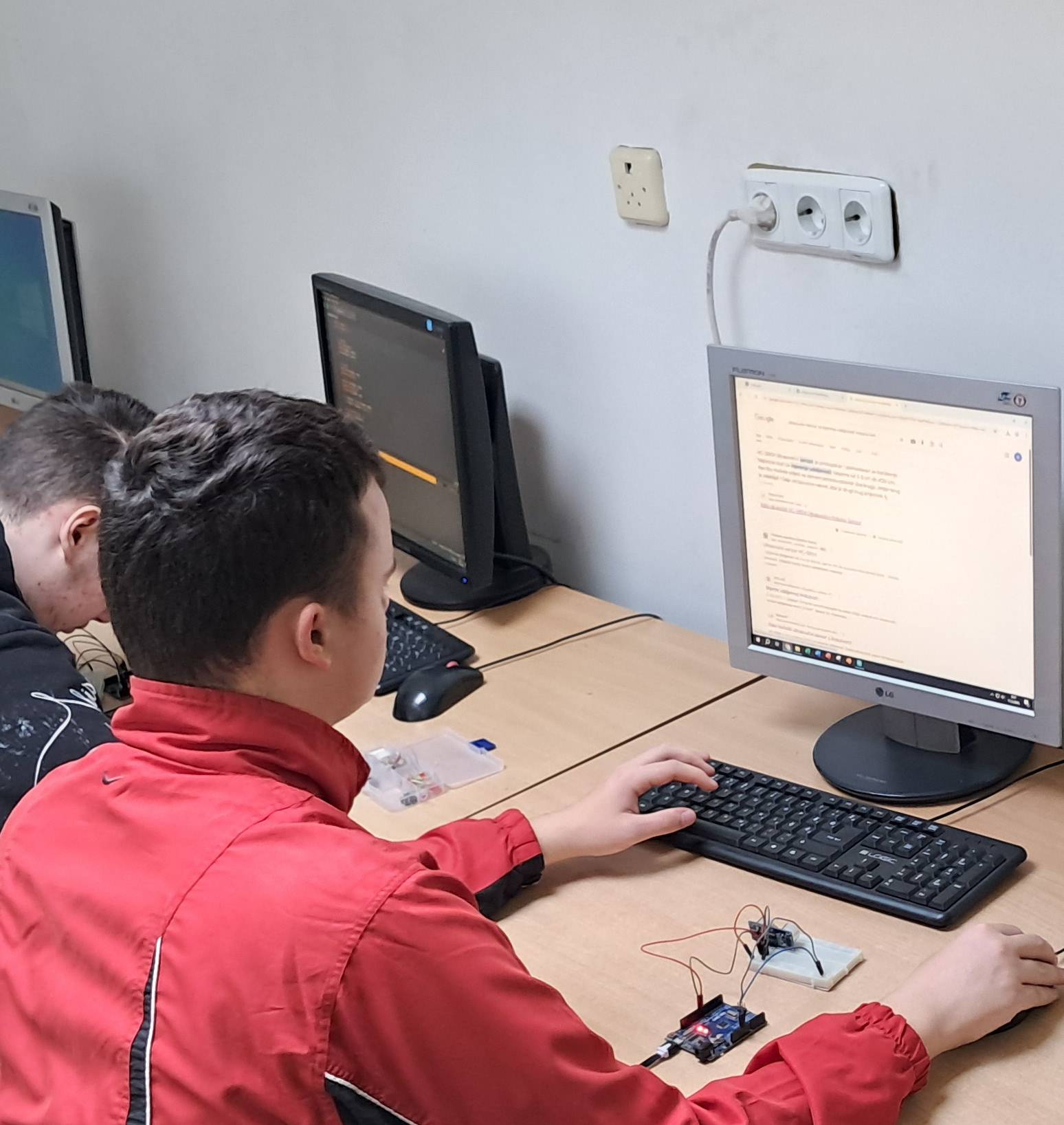
Borna
3.em
Damjan and I worked on translating parts of a website about a STEM workshop. We managed to do it, although we had some difficulties. Even though I believe I have a good range of vocabulary in English, this task reminded me how rich the language is and how different fields can use the same word in different ways.
Martin
3.er
Translating this website was an interesting and useful experience for me and my translating partner Marko. Sometimes it was challenging to find the right expression for certain words, but in the end it helped me learn new vocabulary and use words more accurately. I will definitely continue translating pages because it helps me improve my English vocabulary and grammar even further.
Josip
3.em